Are You Getting Enough Sunshine? The Silent Vitamin D Deficiency Epidemic
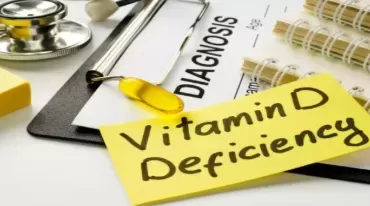
Vitamin D deficiency is a growing public health concern, impacting nearly one in four U.S. adults. Certain groups—such as women, younger adults, African Americans, and people in northern regions during winter—are especially at risk.
This essential nutrient plays a crucial role in many aspects of health, including:
- Bone strength
- Immune system function
- Muscle health
- Mood regulation
- Cardiovascular support
But despite its importance, many Americans fall short of meeting their daily vitamin D needs.
Why Is Vitamin D Deficiency So Common?
1. Limited Sun Exposure
The body naturally produces vitamin D when skin is exposed to UVB rays from sunlight. However, modern lifestyles—marked by long hours indoors—limit this exposure. Even when outdoors, sunscreen use, though vital for skin cancer prevention, can block the rays needed for vitamin D synthesis.
2. Geography & Season
People living in northern U.S. states get significantly less sun in the fall and winter months, further reducing natural vitamin D production.
3. Poor Dietary Intake
Only a few foods naturally contain vitamin D, including fatty fish (like salmon and rainbow trout) and beef liver. While fortified foods like milk, orange juice, and cereals help, it's still difficult to meet the daily requirement through diet alone.
4. Health Conditions That Affect Absorption
Certain medical conditions can interfere with how your body absorbs or processes vitamin D:
- Celiac disease
- Inflammatory bowel disease
- Kidney or liver disorders
- Cystic fibrosis
- Some cancers
- Post-bariatric surgery patients
How Much Vitamin D Do You Need?
| Age Group | Recommended Daily Intake |
|---|---|
| Infants (0-12 months) | 400 IU (10 mcg) |
| Children & Adults (1–70 years) | 600 IU (15 mcg) |
| Adults 71+ years | 800 IU (20 mcg) |
- Maximum safe intake: 4,000 IU (100 mcg) daily
- Best sources: Sunlight, fatty fish, fortified foods, supplements
- Ideal sun exposure: ~8–10 minutes/day with 25% of skin exposed (varies by skin tone and season)
Symptoms of Vitamin D Deficiency
Deficiency signs can be mild or severe, and may include:
- Fatigue and muscle weakness
- Depression or mood changes
- Frequent infections
- Hair loss
- Bone pain or fractures
- Slow wound healing
If you're experiencing any of these symptoms, especially during the winter months, speak to your healthcare provider. A simple blood test can measure your vitamin D levels and determine if supplements are needed.
Takeaway
Vitamin D is vital for your immune system, mental health, and bone strength. Due to limited sun exposure and dietary gaps, many Americans are deficient—often without realizing it. Don't wait for symptoms to appear. Be proactive: check your levels, adjust your diet, and talk to your doctor about whether supplementation is right for you.